|
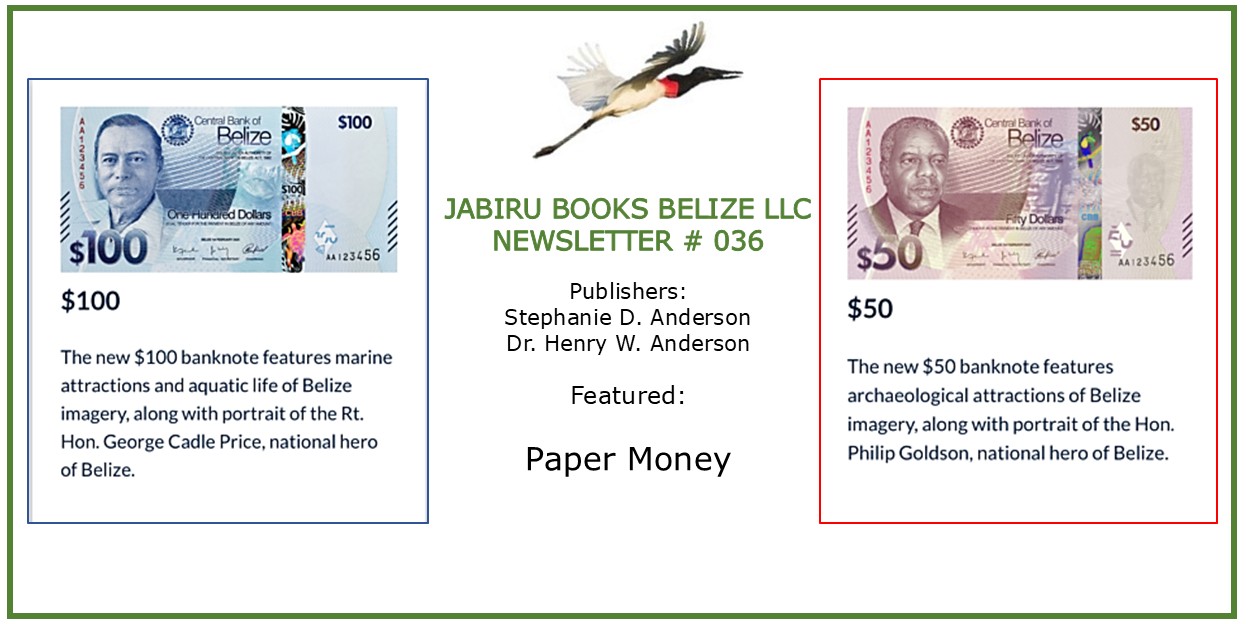 A Brief History Of Paper Money Paper money first appeared in China. As trade and taxes grew, Tang and Song Dynasty merchants began using paper receipts (often called “flying money”) instead of lugging heavy strings of copper coins. By AD 1020s, the Song government took over these receipts and began printing official banknotes – the world’s first government-issued paper money. Around 1287, banknotes were printed from a woodblock, at times using thin mulberry-bark. The Mongol-led Yuan dynasty (13th-14th century) became the first government to back paper money with precious metals. They tied their notes to a kind of silver standard which gave the currency more stability. Even then, however, printing too many notes led to inflation and collapse by the 1350s. The idea of paper money also spread to neighboring regions. In 1329, the Delhi Sultanate in India introduced a silver taka, a kind of coin, as representative money inspired by the Mongols’ paper notes. Europe saw paper money much later. Merchants and bankers used written bills of exchange (IOUs) for centuries, but the first actual banknotes in Europe appeared in the 17th century. Sweden started printing in 1661. In the Ottoman Empire, the first paper money was introduced in the 1840s. Soon the Ottoman Bank (established by Europeans) started issuing official banknotes. Similar introductions of paper currency happened across Asia Minor and the Middle East as countries modernized their finance systems in the 19th century. Colonists in the Americas also began using paper money in the 17th century. Notably, in 1690, the Massachusetts Bay Colony issued the first government-backed paper bills in North America, denominated in English shillings. The use of paper money soon began in Latin America. Newly independent Mexico began printing its own peso notes in the early 19th century. Paper money eventually spread worldwide, replacing or supplementing metal coins in most economies. (Information from Know Your Currency) Manufacturing and Designing Paper Money. Currency, throughout its many evolutions, has been designed using the latest technologies, whether they be metal forming techniques for coins or printing methods for paper banknotes. Designers and artists have played a key role in giving form to currency. Currency design is a small industry and most practitioners are either graphic designers or highly specialized craftspeople who are well trained in the process of making money. Manufacturing paper banknotes is highly intricate. They are primarily printed on special paper commonly made with cotton fibres using a process known as ‘intaglio.’ This printing process was originally developed in the 15th century and is used on most currencies in the world; new polymer-based banknotes have begun to gain traction in some countries, however. New Belize Banknotes Entered Circulation on 4 August, 2025 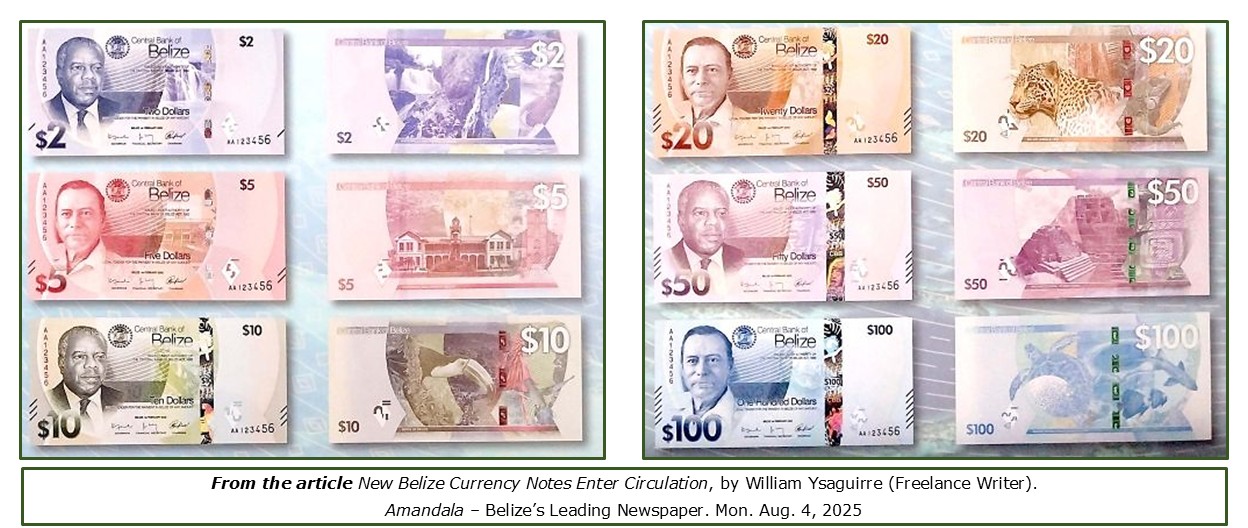 Central Bank of Belize Release, July 8, 2025: The Central Bank of Belize is pleased to announce that the new 2025 banknote series will officially enter circulation on 4 August 2025. The new series includes enhanced security features, updated themes, and new portraits, reflecting the nation’s heritage and safeguarding the integrity of Belize’s currency. While the banknotes will have a new look, the exchange rate remains unchanged at BZ$2 to US$1. For the full release, please go to: https://www.centralbank.org.bz/detail-pages/news/2025/07/08/new-banknotes-to-enter-circulation-on-4-august-2025 The new notes were designed by the British based company, De La Rue International Limited with the assistance of the Central Bank of Belize. The newly designed bills include a host of new security features to prevent counterfeiting and according to Gareth Evans, De La Rue International Ltd’ regional director, utilizes the latest techniques in the design: “We are introducing advanced design features that are at the forefront of the industry.” Gareth Evans continued that “This new banknote series is more than a redesign—it’s a redefinition of Belizean identity. In featuring notable Belizean figures, iconic landscapes, national symbols, and the unique flora and fauna that make Belize so special, we aim to inspire pride in every citizen. When you hold one of these notes, you are not just holding currency—you are holding a piece of Belize itself.” For the full article, please go to: https://belize.com/new-belize-currency-2025/ For a visual history of British Honduras banknotes, 1894 to 1973, please go to: https://banknoteindex.com/browse.mhtml?browseBy=Country&browse=British%20Honduras&offset=0 For a visual history of Belize banknotes, 1975 to 2017, please go to: https://banknoteindex.com/browse.mhtml?browseBy=Country&browse=Belize&offset=50  If you know someone who would like to receive our monthly Newsletter, please have them go to CONTACT at our website and send us an e-mail: http://jabirubooksbelize.com Please note that our Newsletters are also published on our FaceBook page at: https://www.facebook.com/JabiruBooksBelize Thank you for forwarding and sharing this Newsletter. BOOKS WRITTEN BY DR. HENRY W. ANDERSON Add these great books to your personal library for your reading pleasure in 2025. 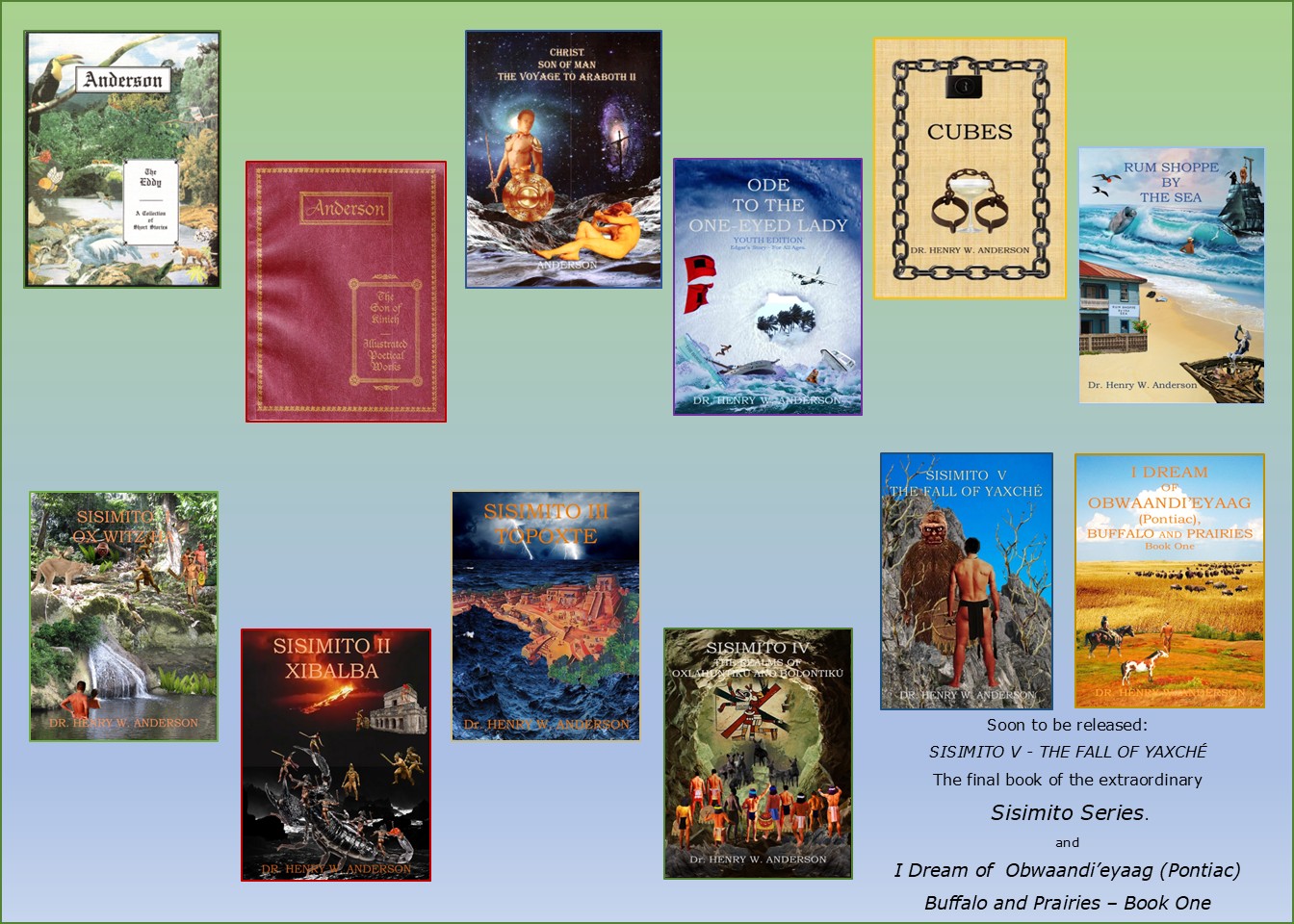 Are you looking for novels, short stories, poems, you will find nowhere else, a book like CUBES that explores USA Society, books that will take you from the depths of space to the eye of a hurricane? Or, perhaps, you would like to sail with the sea captains of Belize as they face violent storms, ghost ships, and specters on lonely islands. The great Sisimito Series invites you to live an unforgettable adventure within the pristine jungles of Belize, the dangerous world of Sisimito and the Jungle folk, the magnificent city of Ox Witz Ha and the Maya Civilization. Soon to be published is Dr. Henry W. Anderson’s latest book, I Dream of Obwaandi’eyaag (Pontiac), Buffalo and Prairies, which brings to you the mythology, battles, and struggles of the Indigenous Nations of North America in an outstanding adventure. Dr. Henry W. Anderson’s books are available as E-books and Print-on-Demand at store.bookbaby.com (BookBaby Bookshop), recommended, and other worldwide retailers: For store.bookbaby.com, go to: https://store.bookbaby.com/profile/jabirubooksbelizecom Please visit our website at http://jabirubooksbelize.com Soon to be published: SISIMITO V - THE FALL OF YAXCHÉ; The final book of the extraordinary Sisimito Series. I DREAM OF OBWAANDI’EYAAG (PONTIAC), BUFFALO AND PRAIRIES. BOOK ONE. INFORMATION/LINKS The works by Dr. Henry W. Anderson are available at the libraries of the Belize National Library Service and Information System. For more information, please go to: https://www.bnlsis.org/ Once on the website, you may go to ‘Public Library Catalogue’ then to ‘Subject;’ select ‘Author’ and put in Henry Anderson; or use the link below to go directly to Dr. Anderson books: https://bnlsis.mlasolutions.com/m5/catalog/(S(tsaodaxofc2mvp3zhpl4wwt2))/Default.aspx?internal=1&installation=LeoBradley Dr. Henry W. Anderson books are also available as E-books and Print-on-Demand at store.bookbaby.com (BookBaby Bookshop), recommended, and other worldwide retailers: Other E-Book Retailers: Amazon, Barnes & Noble, Apple Books, Vearsa, Kobo, OverDrive, Copia, Gardners Books, Baker & Taylor, eSentral, Scribd, Ciando, hoopla, Playster, and many more. Other Print-on-Demand Retailers: Amazon, Barnes & Noble, Powell’s and thousands of other stores and wholesale bookstore catalogs like Ingram and Baker & Taylor, around the world. For store.bookbaby.com, go to: https://store.bookbaby.com/profile/jabirubooksbelizecom Visit us at: https://www.facebook.com/profile.php?id=61579301072047
Visit our website at http://jabirubooksbelize.com 
.
|