|
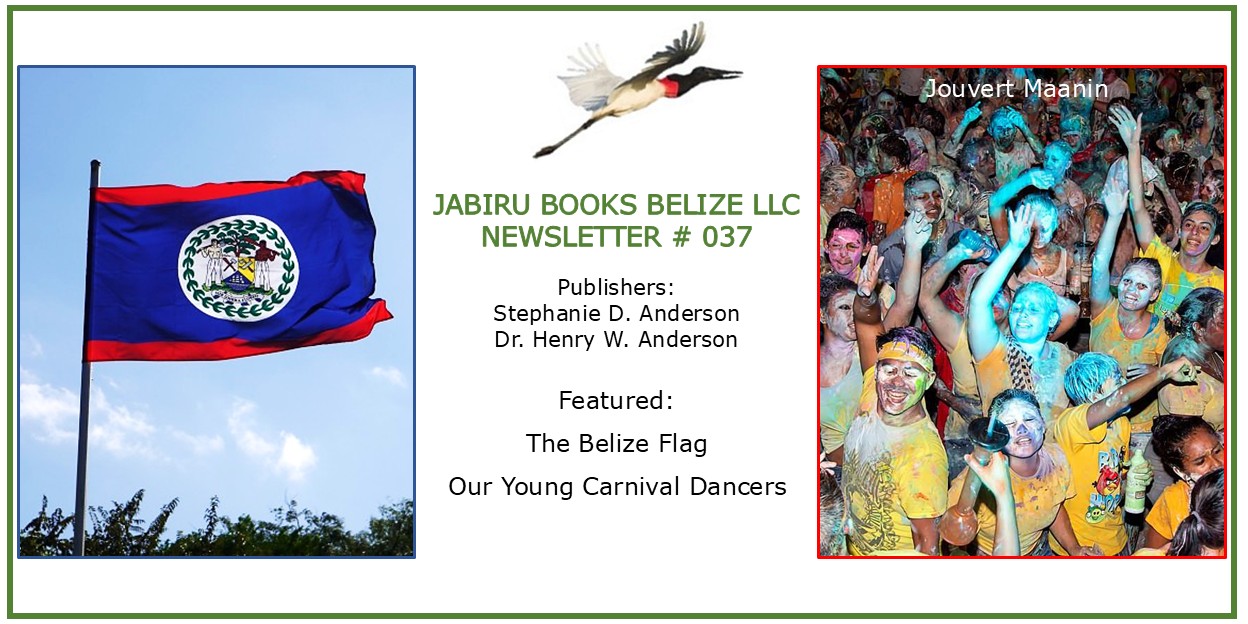 CONGRATULATIONS BELIZE HAPPY TENTH DAY OF SEPTEMBER AND INDEPENDENCE DAY THE BELIZE FLAG Belize gained its Independence from Great Britain on September 21, 1981, and our young nation has one of the most intricately designed flags of any country in the world. Due to its complexity, it is one of the most difficult flags in the world to reproduce. The flag of Belize was designed after a long political process. The red, white, and blue colors of the Belize flag came from the two main political parties in the country, the People’s United Party (PUP) and the United Democratic Party (UDP), both of which predated Belize’s Independence. The PUP proposed the blue and white design while the red stripes came from the UDP as part of a national competition to design the flag ahead of Belize’s Independence. The principal color (field) on the flag is royal blue with one red horizontal stripe at the top and one horizontal red stripe at the bottom. In the center of the flag is the Belize Coat of Arms which was designed in 1907 and based on the badge worn by British soldiers stationed in Belize. The Coat of Arms lists the national motto Sub Umbra Floreo which is Latin for “Under the Shade, I Flourish.” Pictured on the Coat of Arms are two men, one black and one Mestizo, making it the only country flag in the world with a human being depicted on it. The Mestizo man is carrying an axe while the black man is carrying a paddle. The axe refers to Belize’s origins as a timber outpost while the paddle represents the importance of the coast. In between the two men there is a mahogany tree, an important indigenous species of hardwood that was one of the primary types of trees logged by the early settlers. In front of the tree, there is a shield divided into three segments. One segment pictures a sailing ship, the next an axe and crosscut saw (the tools of the loggers) and the third a mallet and paddle to indicate fishermen and farmers. A wreath of 25 green leaves of indeterminate origin encircles the coat of arms. It can be noted that the unofficial flag of Belize from 1950-1981 was quite similar to the current flag except that it did not have the two red stripes and the race of the now-Mestizo man was of a Caucasian individual. With respect to the Coat of Arms, here is a description of the original: It was in 1819 that the colony, then known as British Honduras, obtained its Coat of Arms, subsequently modified. The design featured a mahogany tree, reference to the rich sylvan resources of the area, as well as a shield and two supporters. In the original design, the supporters were of African background, but now one is a mestizo, the other a “Creole,” as the term is defined in Belize. These men hold tools of the trade—an ax and the paddle used to send trees downriver for export. The shield is divided into three sections—a paddle and a maul crossed on a white background, a two-handed saw and an ax crossed on dark yellow, and a ship sailing over waves on blue. The Latin motto “Sub Umbra Floreo” (“Under the shade I flourish”) is a reference to the area’s forests and its establishment as a colony under British protection. Note: From the information available, it is documented that the two men supporting the shield were, initially, two Black men, then one White and one Black, then one Mestizo and one Black. The flag of Belize holds a deep and significant place in the hearts of its people, symbolizing the rich history, culture, and unity of the nation. Displaying the Belize flag is an act of patriotism and respect, and it is done according to specific rules and on designated days that hold special meaning for the country. The flag of Belize may be displayed on any day, but there are specific guidelines for when and how it should be presented. The flag should always be treated with the utmost respect, never touching the ground, and should be handled with care. It can be flown on public buildings, in schools, at military institutions, and during official ceremonies. Citizens are also encouraged to display the flag at their homes during national holidays and important commemorations. With respect to the use of the Belize Flag and National Symbols, Act-No.-9-of-2025-National-Symbols-Act-2025 was recently passed. For full information. you can go to: https://www.nationalassembly.gov.bz/wp-content/uploads/2025/02/Act-No.-9-of-2025-National-Symbols-Act-2025.pdf 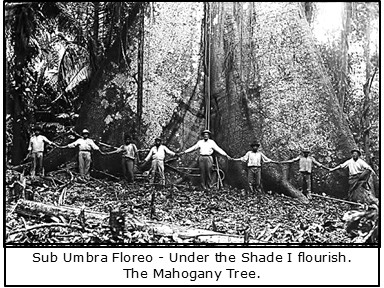 Our Youngsters The Original Carnival Dancers When we think of the month of September, one word resonates in the hearts of every Belizean— “Celebration!” This historical event was adapted in 1975 when five free spirited women gave birth to this movement: Ms. June, Ms. Alice, Ms. Crystal, Ms. Maude and Ms. Myrtle all got together on a Sunday as they had done on several occasions before that and came up with a why and how to "spice up the Tenth of September Celebrations". Calling themselves the Belize Women for Cultural Preservation, they instilled the idea of using their children as an example by parading through the streets of Belize City, and their children brought along friends thereafter making the parade grow larger year after year. On Carnival Day today, the participants of the ‘Mass Camps’ compete as they go dancing, whirling their bodies to exciting Soca and other music, through the streets, displaying amazingly beautiful and colorful costumes. (Wikipedia) Isn’t it just wonderful to see happiness and excitement on the faces of our children. Our Carnival participants start at a young age. It is ensured, however, that their dance is appropriate for their ages; that is, in choreography, costume, and health related matters. Congratulations to these children, their trainers and choreographers, and a special Thank You to their Teachers. For Your Personal Carnival: Click on the link below and enjoy Calypso Rose and the Lord Rhaburn’s Combo version of the Patriotic Song, The Tenth Day Of September, the words and music by Rev. B. F. Abeling S.J. https://www.youtube.com/watch?v=eZ81urxxX1g Enjoy Tribute to the Baymen by Jesus ‘Chuchin’ Acosta; played below by The Harmonettes and sung by Allan Andrewin: https://www.youtube.com/watch?v=S07RleqpAgg  If you know someone who would like to receive our monthly Newsletter, please have them go to CONTACT at our website and send us an e-mail: http://jabirubooksbelize.com Please note that our Newsletters are also published on our FaceBook page at: https://www.facebook.com/JabiruBooksBelize Thank you for forwarding and sharing this Newsletter. BOOKS WRITTEN BY DR. HENRY W. ANDERSON Add these great books to your personal library for your reading pleasure in 2025. 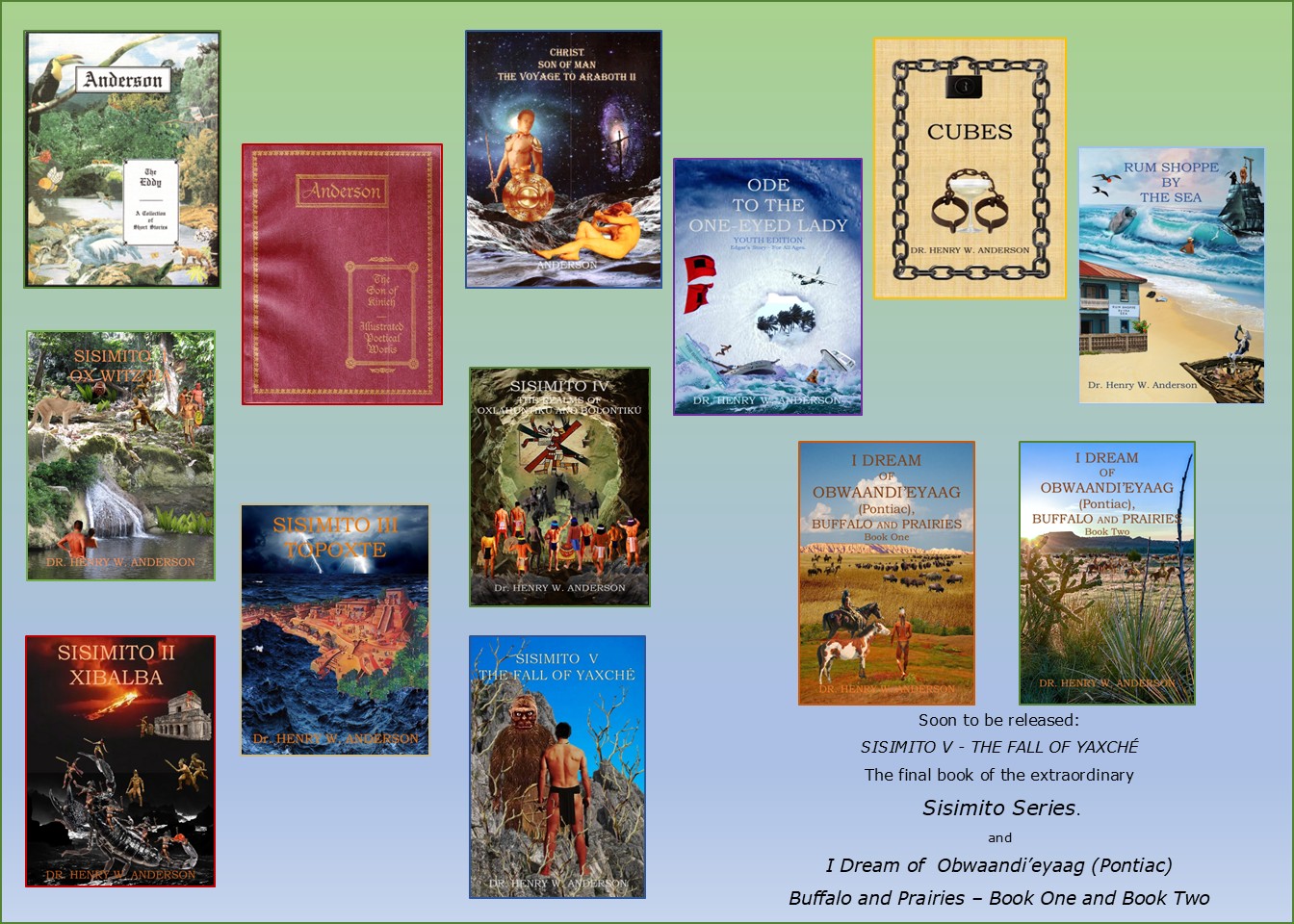 INFORMATION/LINKS Dr. Anderson books are available both as Print-on-Demand and E-Books at store.bookbaby.com (Recommended by Publishers). Please go to: https://store.bookbaby.com/profile/jabirubooksbelizecom The works by Dr. Henry W. Anderson are available at the libraries of the Belize National Library Service and Information System. Search under Author: Henry W Anderson. Please go to: https://bnlsis.mlasolutions.com/m5/catalog/(S(tsaodaxofc2mvp3zhpl4wwt2))/Default.aspx?internal=1&installation=LeoBradley E-Books are available at other Retailers: Amazon, Barnes & Noble, Apple Books, Vearsa, Kobo, OverDrive, Copia, Gardners Books, Baker & Taylor, eSentral, Scribd, Ciando, Hoopla, Playster, and many more. Print-on-Demand books are available at some of the Retailers listed. Please visit us at: https://www.facebook.com/JabiruBooksBelize Visit our website at http://jabirubooksbelize.com 
|